
Our pets bring endless joy, companionship, and love into our lives. Whether you share your
home with a playful pup, a curious cat, or both, keeping them healthy and comfortable is one of
the most important parts of being a responsible pet owner. Regular grooming is not just about
making your furry friend look their best—it is also an essential part of supporting their overall
health, comfort, and happiness.
At Tig’s Happy Tails, we believe grooming is a meaningful way to strengthen the bond between
you and your pet while helping them feel their best every day. A consistent grooming routine can
help prevent common issues, identify changes early, and provide your dog or cat with the care
they deserve.
Whether you are new to pet ownership or looking to improve your current routine, these
grooming tips can help you keep your companion happy, healthy, and comfortable.
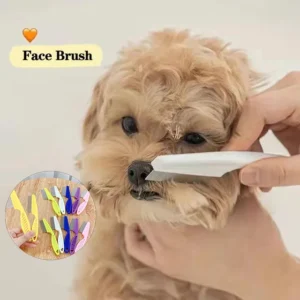
Grooming plays an important role in your pet’s overall wellness. Dogs and cats naturally
maintain themselves, but they still benefit greatly from regular care and attention from their
families.
Routine grooming helps keep fur clean, reduces buildup, supports healthy skin, and prevents
discomfort caused by tangled or overgrown hair. It also gives you the opportunity to check for
anything unusual, such as changes in your pet’s skin, coat, ears, or paws.
Beyond physical benefits, grooming can also create positive bonding experiences. Many pets
enjoy the attention and gentle interaction that comes with brushing, bathing, and caring for
them. When grooming becomes part of their normal routine, pets often become more
comfortable and relaxed during the process.
One of the most important grooming habits for both dogs and cats is regular brushing. Brushing
helps remove loose fur, dirt, and debris while keeping the coat looking healthy and feeling
comfortable.
For dogs, brushing needs can vary depending on their breed, coat type, and lifestyle.
Long-haired dogs often require more frequent brushing to prevent tangles and mats, while
short-haired dogs may need less frequent grooming but still benefit from regular attention.
Cats are also excellent self-groomers, but brushing can help reduce shedding and limit the
amount of loose hair they swallow while cleaning themselves. Regular brushing may also help
prevent uncomfortable mats, especially for cats with longer coats.
When brushing your pet:
● Choose a brush that matches their coat type
● Brush gently to avoid pulling or discomfort
● Take your time and make grooming a positive experience
● Reward your pet with praise and affection
Starting slowly is especially helpful if your pet is not used to grooming. Short, positive sessions
can help them feel comfortable and build trust.
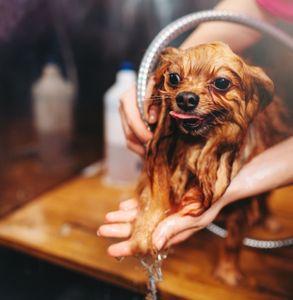
Bathing helps remove dirt, odors, and buildup from your pet’s coat. However, the frequency of
baths depends on your pet’s lifestyle, coat, and individual needs.
Dogs that spend a lot of time outdoors may need more frequent baths, while indoor pets may
require less. Cats typically do not need frequent baths because they naturally clean themselves,
but occasional bathing may be helpful for certain situations.
When bathing your pet:
● Use products designed specifically for pets
● Avoid using human shampoos, which may not be suitable for their skin
● Use comfortable water temperatures
● Rinse thoroughly to remove leftover product
● Dry your pet carefully after bathing
Bath time can be stressful for some animals, so creating a calm environment and using gentle
handling can make the experience easier.
Ear care is another important part of grooming. Dogs and cats can experience ear buildup, and
certain pets may be more prone to ear-related concerns depending on their breed and lifestyle.
Checking your pet’s ears regularly allows you to notice changes early. Look for signs such as
unusual odor, visible buildup, redness, or frequent scratching around the ears.
To support healthy ears:
● Check ears during regular grooming sessions
● Keep ears clean and dry
● Use pet-safe ear care products
● Avoid inserting objects deep into the ear canal
If you notice changes in your pet’s ears or behavior, it may be helpful to seek advice from a
veterinary professional.
Overgrown nails can become uncomfortable for pets and may affect the way they walk. Regular
nail care helps keep your dog or cat comfortable and supports healthy movement.
Some pets naturally wear down their nails through activity, but many still need occasional
trimming. If you are new to nail trimming, take your time and learn the proper technique.
Helpful nail care tips include:
● Trim small amounts at a time
● Use tools designed for pets
● Stay calm and patient
● Reward your pet afterward
If your pet becomes nervous during nail care, gradual practice can help them become more
comfortable.
Dental care is often overlooked, but it is an important part of your pet’s health routine. Just like
people, pets can experience dental buildup and discomfort if their teeth are not cared for.
Supporting your pet’s dental health may include:
● Regular brushing with pet-safe dental products
● Providing appropriate dental treats or toys
● Scheduling professional dental care when recommended
Creating a dental routine early can help your pet become comfortable with the process.
Dogs have different grooming needs depending on their breed, coat, and activity level. Active
dogs that enjoy outdoor adventures may need extra attention to keep their coats clean and their
paws protected.
After outdoor activities, consider checking:
● Paws for dirt, debris, or irritation
● Fur for leaves, mud, or tangles
● Ears for moisture buildup
● Coat condition for changes
Regular grooming is also a great opportunity to spend quality time together. Many dogs enjoy
the attention and routine that grooming provides.
Cats are naturally independent, but they still benefit from regular grooming support. Brushing is
especially helpful for reducing shedding and preventing uncomfortable mats.
Additional cat grooming tips include:
● Provide gentle brushing sessions
● Check paws and claws regularly
● Keep their environment clean
● Watch for changes in grooming habits
A cat that suddenly stops grooming themselves or begins grooming excessively may be
showing signs that something has changed, making regular observation important.
The best grooming routine is one that your pet feels comfortable with. Patience and consistency
are key.
Start with small steps and allow your pet to become familiar with grooming tools and routines.
Offer encouragement, praise, and rewards to help create positive associations.
Avoid rushing through grooming sessions. A calm approach helps your pet feel safe and builds
trust between you.
Remember that every pet is different. Some animals love being brushed and handled, while
others need more time to adjust. Respecting your pet’s comfort level makes grooming a better
experience for everyone.
Grooming is more than maintenance—it is an important part of caring for your pet’s overall
happiness and health. A clean coat, trimmed nails, healthy ears, and proper dental care all
contribute to a more comfortable life.
At Tig’s Happy Tails, we believe every pet deserves care, attention, and products that support
their everyday needs. Building a regular grooming routine helps you stay connected with your
furry friend while supporting their long-term wellness.
Whether you have a playful dog, a curious cat, or a whole household of pets, small grooming
habits can make a big difference. With patience, love, and consistency, you can help your
companion look great, feel comfortable, and enjoy a happier life by your side.
Your pet gives you unconditional love every day—grooming is one simple way to give that love
right back.